A short discourse on weaponry, history, and the discipline of the little things…
from Lia A.S.R.
If you know much about firearms, you know that a smooth bore weapon is not designed for great accuracy.
Aiming was born in 1498 when gun makers in Augsburg, Germany introduced rifling to the barrel. Spiraling grooves cause the projectile to spin, stabilizing flight and increasing the precision of a shot.
We named them what they do: rifle.
Rifles entered the field of combat around the time of the American Revolution. It’s been said that a blind man can shoot a musket, just point towards the noise and fire. Rifles, on the other hand, allow for precision. The Continental Army still favored muskets for the rapidity with which they could be reloaded, but militiamen brought the weapons they had, often rifles. (In colonial America, frontiersmen prized long rifles for their usefulness in hunting.) Riflemen discovered they could easily pick off British officers, identifying them by the gold braid on their uniforms. The Redcoats didn’t think this was very fair and considered it ungentlemanly. The Americans didn’t care. So the British advised their officers to try to blend in better. American sharpshooters also took aim at cannoneers to render the British artillery less effective. Seems they valued being smart more than being polite.
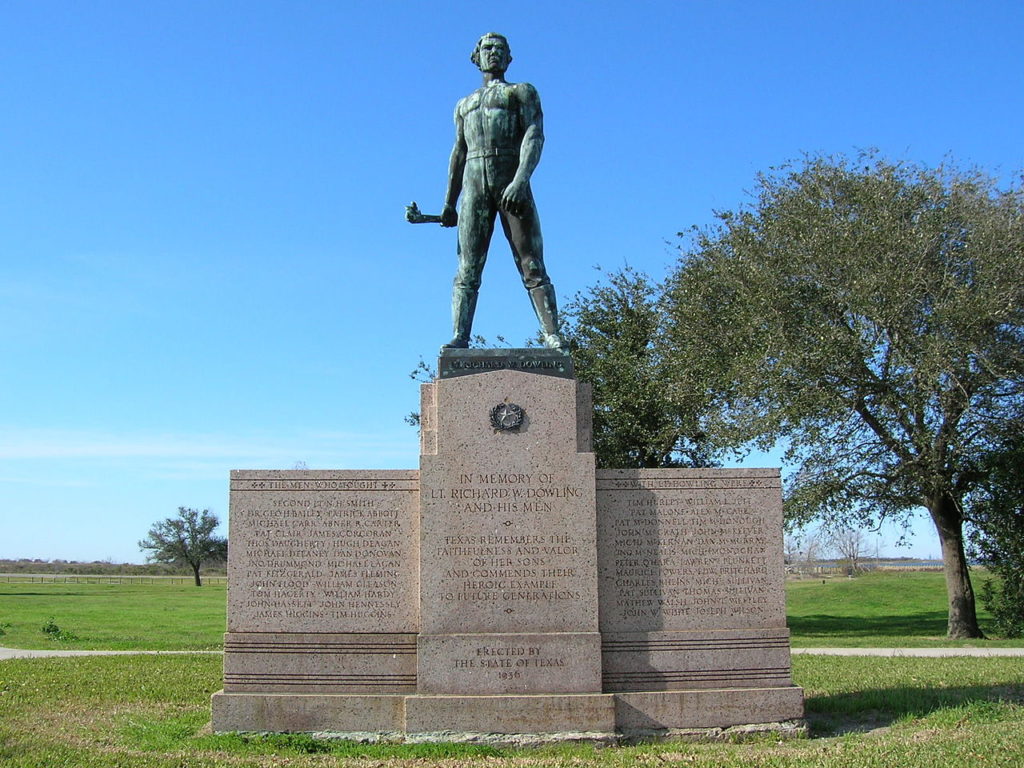
Fast forward 90 years. A smart man named Richard Dowling knew the value of intentional practice. The 45 Confederate soldiers under Lieutenant Dowling developed a deadly accuracy with smooth bore cannons. One of Dowling’s innovations was planting colored stakes in the Sabine River to mark the cannons’ most effective firing range.
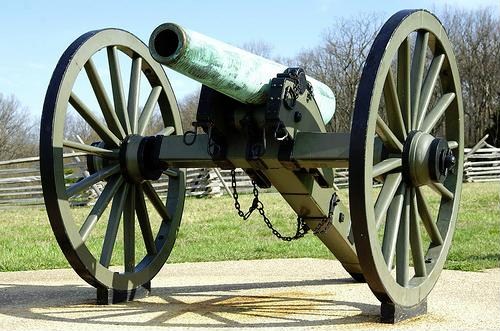
Smooth bore artillery, cheaper and quicker to cast, was more common than rifled bore during the American Civil War, despite having a shorter range and less precision. Accuracy with these cannons wasn’t impossible, but it took discipline and patience.
Wikipedia says,
Each “Davis Guards” gun crew during gunnery practice thereby worked to predetermine the approximate charge (amount of gunpowder) needed for each type projectile available for their specific gun (ball, canister, or grapeshot); and which specific guns, charges, and loads had the best potential to hit each range-stake.
They were scientific about their target practice—not just going through the motions but seeking specific information that would allow them to improve.
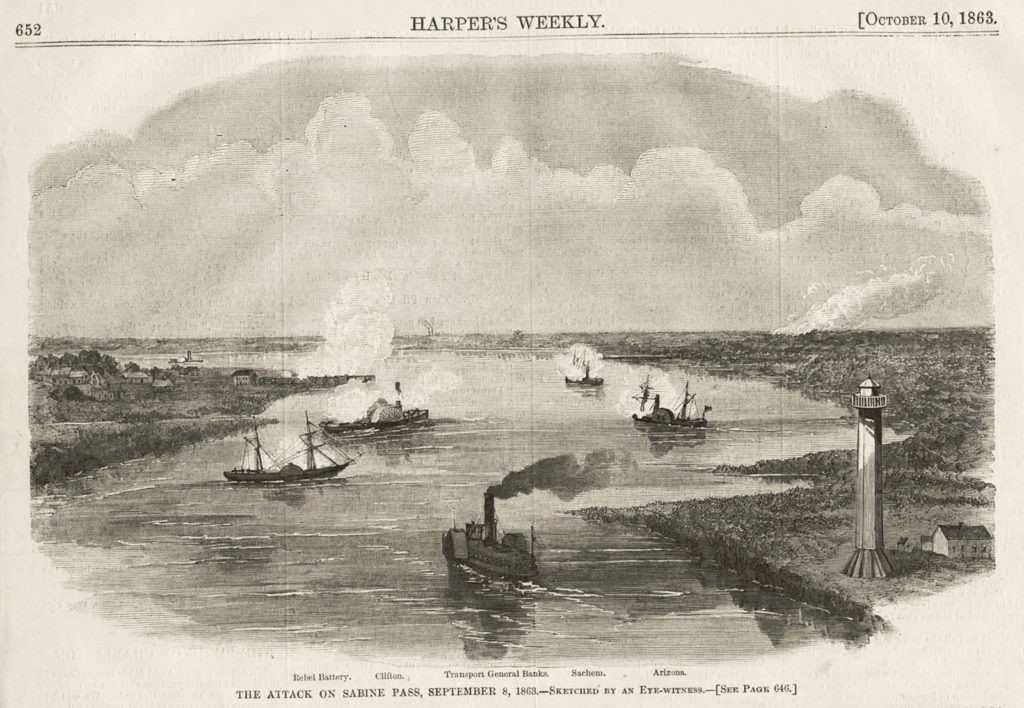
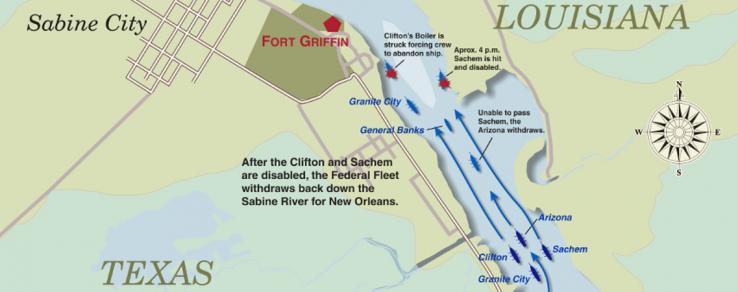
46 held the fort against 5,000 men and four gunboats.
They took 350 men prisoner and suffered no casualties.
The Second Battle of Sabine Pass. Often credited as the most one-sided Confederate victory of the war.
Daily life is kind of like artillery practice. We can just go through it, or we can keep our eyes on the point of it all. We can use it to shape us into more of who we want to be. Who we’re called to be. All the tiny details, the mundanities, they serve a greater purpose. Battle is at hand.
How we tackle the little things isn’t so little.